

Written by: Dave Cantrell
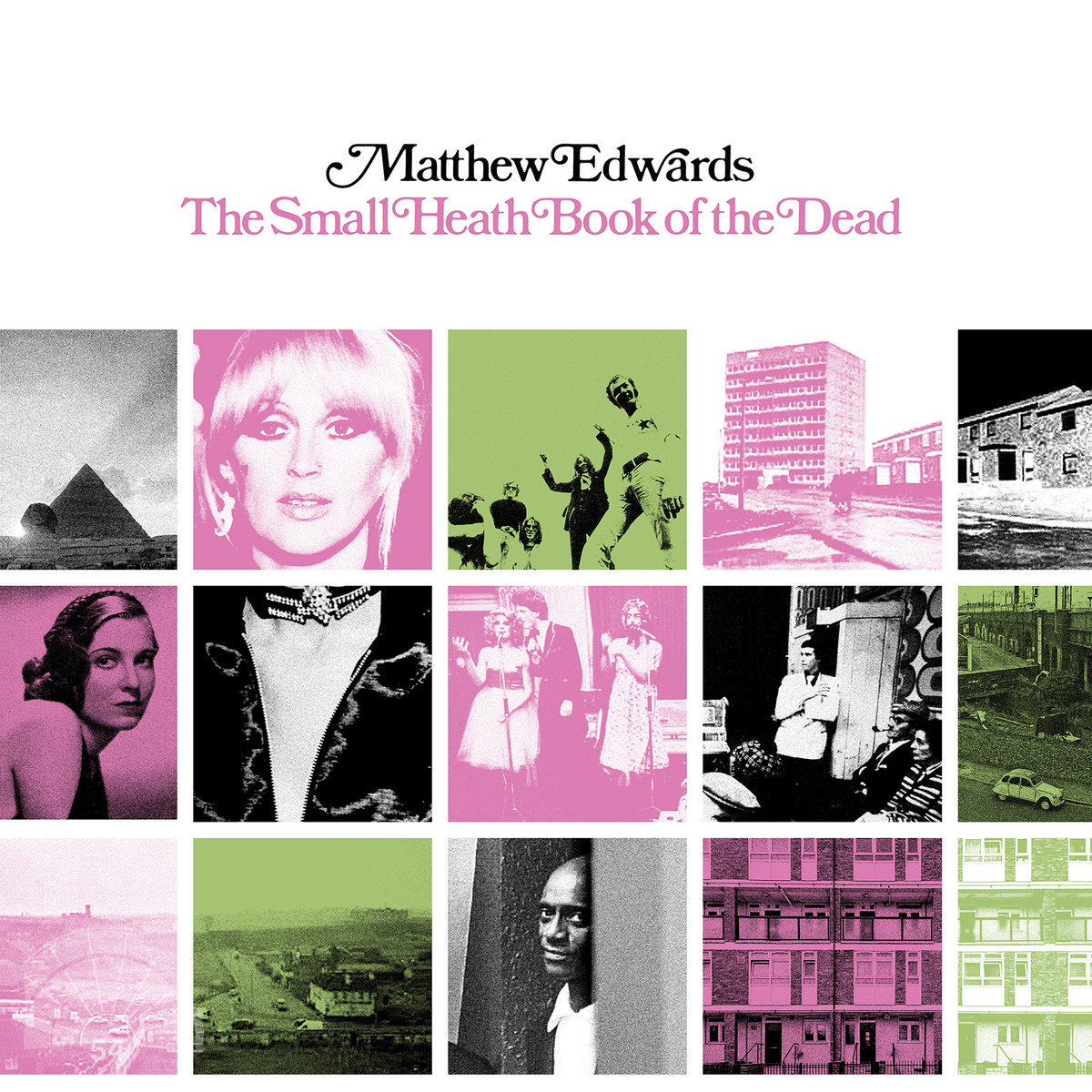
It’s a mystery, isn’t it? How certain artists not only manage to ‘bring it’ time and time again but do so with what seems a preternatural ease even as we know such a term is forever inapplicable – creating work of this particular artist’s calibre (see here, here and various other points along the SEM timeline) is never a breeze – and yet, and yet, here are , said breeze, courtesy Mr Matthew Edwards, blowing through our headphones that, even as, again, we’re well aware the chances of such are virtually impossible, has nonetheless arrived like some sort of spell borne in on the wind. So, yeah, enough of this journalistic intro business, let’s just dig in, then dig in further and further in to this latest piece of songwriting wonder until we’re so sufficiently buried beneath still another abundance of Edwardsian finesse that, as was the case with those previous efforts, we’ve little intention of digging our way out from under. All that said, let’s start at the start, shall we, not least as its title’s namesake is without doubt a subject so aesthetically close to Edwards’ own heart to count as something of a leaf that could have fallen off the family tree.
Said opener “John Betjeman Blues” all but bathes in the Albion depths of Edwards’ slyly twisted English lyricism (darling I wrote the Dead Sea Scrolls / and I was a member of Amon Düül // was the 22nd man on the moon / and at six months I could carry a tune) and to these ears pretty much single-handedly defies the notion that as an art songwriting is dying on the vine. Now, as examples go, that could conceivably be enough to convince even the most twisted, tightly wound skeptic but just in case, just in case, allow us to pile on more evidence. Believe us, it’s a pleasure, not least as the next track track on tap is the impeccable “New English Library.”
British as British can be – sample lyric: I started to look through this teenage dichotomy / from Geoffrey Chaucer to the annals of savagery – and then, a mere minute in, a bloody pedal steel you’d at best barely realized was there behind the curtains shows up on stage filling a space between stanzas as if it’s some ghost wandering in from Laredo, riding the track’s damn near jaunty tempo like a djinn in the afternoon sun and on we bloody go in the gently wry thrall of an artist that’s been among this magazine’s most treasured since the deliriously assured arrival of The Fates back in 2014.
Be it the genteel sadsack pathos of “Bad Timing” that, to these ears and the sensibilities lain inside them, could only not more redound with an innate Britishness were it served up with chips and a pint of bitter but does so with a universal grace seldom encountered in these relatively crass digital times; the taut and wholly immersive title track, its brass aloft in the soul-stacked rafters exactly as needed, the writing so impeccable that were there any justice its author should be honored at the Nibbies. Need more? Yes or no you’re getting it anyway because, well, we see no need – nor will – to stop.
Take “Experimental Theatre,” wherein, with Edwards’ standard – which, as in most instances, equates with ‘veritably untouchable’ – elán, the artist, in that polished, rather meticulous nonchalance of his that by all rights should have a ™ stamped just above it, delivers a lost-love song that one can easily imagine the ghost of Cole Porter happily tapping along to. Yes, it’s rather fleeting at two minutes forty-four but no worries there, ‘ageless’ has no length requirements, does it? Or, take the quasi-bossa nova of “Harriet High (Crazy Version),” the flit of its flute darting about through what develops into a bustling canopy, the playful hanging overhead throughout, the intricate the delicate and not least the lifting of the bass’s deeply grounded voice in to the overhead swirl while lines like Harriet High good evening / the truth makes this song appealing // I’m just happy that we’re still breathing / come back to Birmingham with me, a sentiment that only becomes a tad more imperative a couple lines later when the destination is switched to Cambodia.
Thus does the flow go, carrying us as if on a transome made of a splintering but undying faith and yes we get that that’s an odd metaphor but trust us that the material hereon justifies it, not least as it finishes with the sprightly barrelhouse and charmingly self-deprecating jaunt of the brief “Matthew Edwards vs. Himself” (a title fight for the midweight belt) to the yearnful mourn of closer “Old Albion” that, with the returning aid of an especially effective pedal steel that in this case somehow manages to cosset the singer’s dolesomely hopeful tone that registers somewhere between a loving shred of wishful thinking and a pang of centuries-old resignation inside a blanket of sighing acceptance and, as such, ranks as pretty much the most spot-on ‘pop song’ portrait of Old Blighty’s most deepset paradox where hope, pride, shame and unspeakable regret all huddle in an unsettled alliance and my lord what a way to finish an already exemplary-beyond-reason album.
So, all that said, there’s not really much left to say but that The Small Heath Book of the Dead will live in the annals of none-finer albums forevermore. Hyperbole? Hardly…